
THE RISE OF ISLAM IN OUR TIME
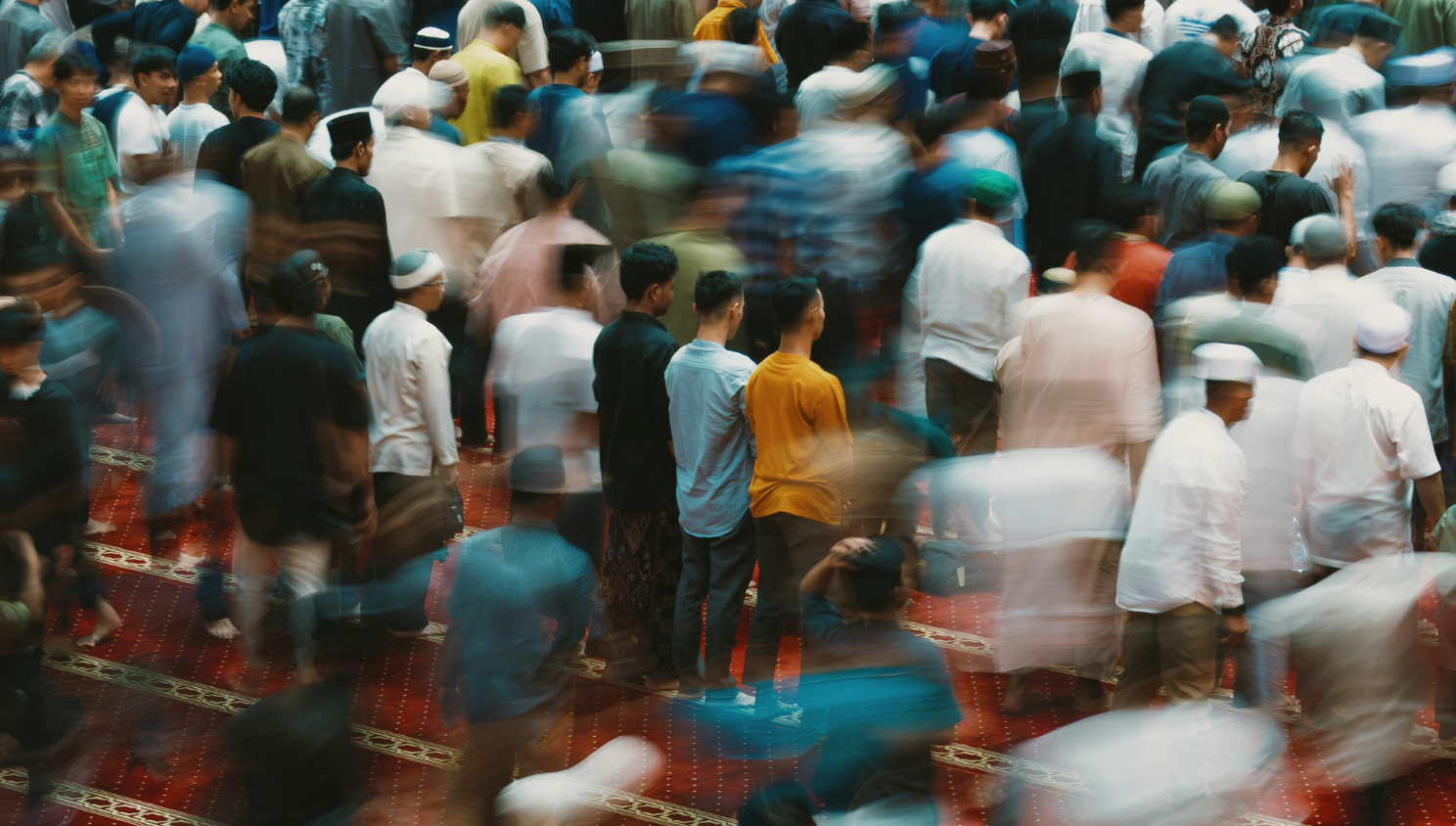
In June 2025, The Pew Research Center released a report on the global religious landscape. From 2,700 censuses and surveys on changes in religious groups worldwide, it reported that for the first time since 1910, the global Christian population has fallen below 30% of the world population.
While the global Christian population increased by more than 40 million people in the decade between 2010 and 2020, the world’s total population grew by over one billion, with Muslims making up 350 million of that. By 2050, Islam could become the world’s largest religion. About half of the world’s 7,300 unreached people groups today are Muslim.
How Islam Is Growing In The World
The high fertility rate of Muslim populations is not the only reason accounting for its rapid growth.
Historically, Islam spread widely through trade, especially in Africa and Southeast Asia. Today, Muslim business networks continue to facilitate cultural exchange and exposure to Islamic practices throughout the world.
Muslim migration, both voluntary and refugee‑driven, has also led to the emergence of vibrant communities in Europe and North America. Saudi Arabia, Turkey and Malaysia invest generously in the Balkans, Central Asia and Africa to build mosques, schools and cultural centers that became hubs for religious life and outreach, strengthening the faith of many nominal Muslims.
Since the fall of the Soviet Union, Turkey has built some of the best schools and universities in Central Asia, offering free education for the brightest young people. Islamic universities, seminaries, and online learning platforms also provide scholarships for international students to study Islamic theology, Arabic, or related fields. This produces a global network of graduates who return home to attractive careers teaching in well-funded mosques and cultural centers.
Through digital media, community engagement, and intellectual discourse, Islam is presented to educated populations as a rational, peaceful alternative to secular life of the West.
Most importantly, Islam is proactively reaching out to the next generation.
Islam’s Outreach To Youth Today
Islamic leaders recognize that young people are unlikely to engage if mosques seem traditional and formal, disconnected from their daily lives. Therefore, some mosques have been redesigned with open, multipurpose spaces for social and cultural activities so their youth can gather, learn, create, and serve.
Mosques and Islamic organizations are active on Instagram, TikTok, YouTube, and other platforms to meet young people where they spend time. They produce educational videos and inspirational messages. They organize social events, sports activities, and community projects to keep young Muslims connected to their faith community. Workshops and seminars on identity, spirituality, relationships, mental health and career development help youth feel seen, understood, and valued.
In universities, Quranic studies and Islamic history present Muslim perspectives in the different disciplines to encourage young people to pursue higher education while staying grounded in traditional values without feeling they have to compromise their Muslim identity. Every effort is made to make Islam a source of purpose and moral clarity for young people in our complex world.